Sorry Boys My Belongs to Daddy: A Smart Choice for Print-on-Demand Creators
If you're building a print-on-demand (POD) store—or expanding one—you’ve likely seen bold, personality-driven phrases like Sorry Boys My Belongs to Daddy. It’s not just playful phrasing; it’s a culturally resonant, high-conversion design concept that taps into humor, confidence, and lighthearted ownership. But here’s what many overlook: the phrase itself is only half the value. The real difference-maker lies in how the design is delivered—and whether it’s built for real-world use.
Why This Design Stands Out (and Why Format Matters More Than You Think)
Sorry Boys My Belongs to Daddy works because it’s concise, memorable, and emotionally expressive—ideal for apparel that sparks conversation or signals identity. But its effectiveness depends entirely on technical readiness. Too many creators assume “a PNG file” is enough—only to discover pixelation on large prints, missing cut lines for vinyl, or no way to tweak text color or spacing for different shirt colors.
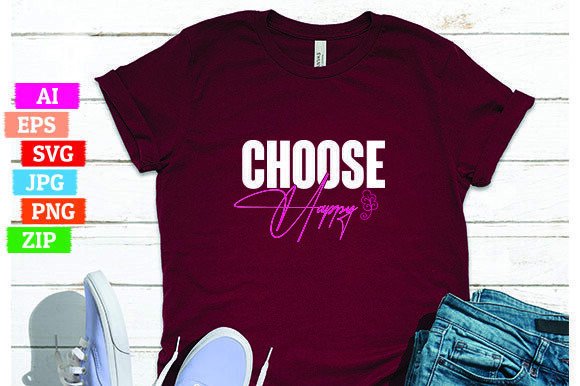
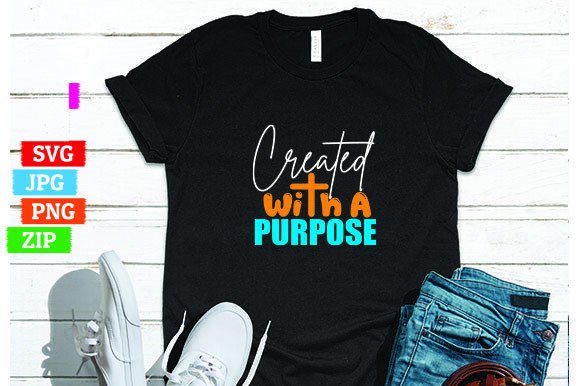
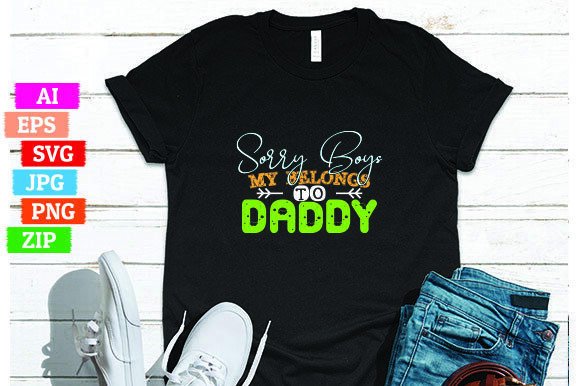
That’s why this version includes five production-ready formats: an editable AI file (for full Illustrator control), an SVG file (perfect for Cricut/Silhouette machines), a high-res PNG with transparency, an industry-standard EPS file, and a transparent PNG printable—all bundled cleanly in one ZIP folder. No hunting through layers, no guessing at resolution, no re-creating outlines from scratch.
Common Oversights—and How They Cost Time, Money, or Sales
Here’s where things go sideways—not because the design is weak, but because expectations don’t match execution:
- Assuming “editable” means “beginner-friendly.” An AI file isn’t useful if you don’t have Adobe Illustrator—or know how to unlock layers, adjust anchor points, or export correctly. Many buyers download the file, open it, see a locked group, and assume it’s broken—when it’s actually protected by default Illustrator behavior. The fix? Double-click the layer thumbnail in the Layers panel to enter isolation mode, or right-click and choose “Ungroup.”
- Using only the PNG for all purposes. That transparent PNG looks crisp on your screen—but try scaling it up to fit a toddler onesie or a men’s XL tee, and edges soften. Worse, you can’t recolor it without Photoshop skills or time-consuming masking. SVG and AI give you vector precision: resize infinitely, change fill colors in seconds, adapt to dark or light garments effortlessly.
- Skipping the ZIP extraction step. Some users double-click the ZIP and expect files to open instantly. But macOS and Windows handle archive previews differently—especially with SVGs, which may appear blank unless extracted first. Always extract the folder before opening any file. It takes five seconds—and saves 30 minutes of troubleshooting.
- Overlooking file naming and organization. If you’re managing dozens of designs, generic names like “design1.svg” create friction later. Rename your files thoughtfully: SorryBoysMyBelongsToDaddy_SVG_v1.svg. Add version numbers if you make edits—this avoids accidental overwrites and keeps your POD platform uploads consistent.
What to Check Before You Upload—or Buy
Before adding Sorry Boys My Belongs to Daddy to your store or workflow, ask yourself three practical questions:
- Do I need scalability? If you plan to offer multiple product types—tees, mugs, tote bags, or even embroidered patches—vector formats (AI, EPS, SVG) are non-negotiable. Raster-only files limit flexibility and increase long-term revision costs.
- Who’s handling production? If you’re using a third-party POD partner (like Printful, Teespring, or Gelato), check their accepted file types. Most prefer PNGs under 50 MB with transparent backgrounds—but for custom mockups or branded packaging, having the AI or EPS gives you leverage with designers or agencies.
- Is the typography intentional—or just decorative? Look closely at the letterforms. In this design, spacing, kerning, and weight were balanced to ensure legibility at small sizes (e.g., pocket prints) and impact at large ones (e.g., back prints). Avoid versions where letters crowd or bleed together—those rarely scale well across devices or platforms.
Better Choices Start With Clear Expectations
You don’t need every format for every project—but knowing *why* each one exists helps you choose wisely. For example:
- Use the SVG when cutting heat-transfer vinyl or creating web graphics with crisp edges.
- Rely on the AI file when you need to add a subtle shadow, adjust stroke width, or integrate the phrase into a larger composition (like a family-themed bundle).
- Reach for the transparent PNG when uploading directly to Shopify or Etsy—fast, reliable, and universally supported.
- Keep the EPS on hand for professional printers who still require legacy vector standards—or for archival backup.
And yes—the ZIP folder is intentionally lightweight and cross-platform compatible. No password protection, no confusing subfolders, no hidden fees. Just clean, organized assets ready for action.
A Final Note on Authenticity and Audience Fit
Phrases like Sorry Boys My Belongs to Daddy thrive when they align with genuine audience voice—not forced trends. It resonates with parents embracing playful confidence, gift shoppers looking for lighthearted yet meaningful apparel, or couples celebrating inside jokes with wearable charm. But authenticity hinges on presentation: blurry text, mismatched fonts, or awkward sizing undermines the message before it’s even read.
That’s why investing in a properly engineered version matters—not as an extra cost, but as a foundational efficiency. You’ll spend less time editing, fewer resources reworking files, and more time connecting with customers who recognize quality the moment they see it.
So whether you're launching your first POD collection or refining a growing catalog, treat Sorry Boys My Belongs to Daddy not just as a phrase—but as a production asset. And choose the version that respects your time, your tools, and your standards.