Simply Zest PNG T-shirt Design: A Practical Evaluation for Print-on-Demand Creators
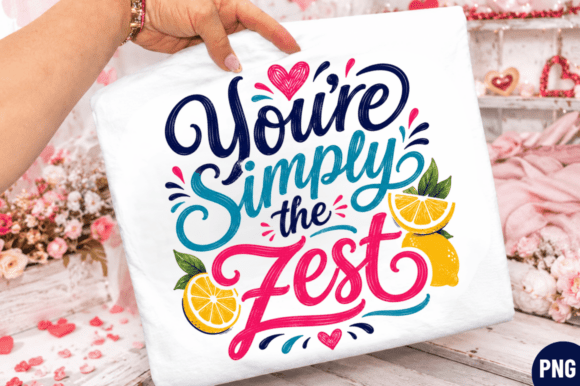
The Simply Zest PNG T-shirt Design is a digital artwork file optimized specifically for sublimation printing and broader print-on-demand (POD) applications. Unlike vector-based designs or layered PSD files, it’s delivered as a high-resolution PNG with a transparent background—making it immediately usable across platforms without requiring advanced editing skills. Its defining traits include vibrant color fidelity, crisp edge definition, and intentional spacing that accommodates common garment placements (e.g., chest, back, sleeve). It’s not just a graphic; it’s a production-ready asset built around real-world constraints like fabric type, printer calibration, and software compatibility.
How It Fits Into the Broader Landscape of Digital Design Assets
Digital design files come in several formats—each serving different needs. Vector files (like SVG or EPS) scale infinitely and work well for embroidery or vinyl cutting but often require conversion or rasterization before sublimation. JPEGs lack transparency, limiting flexibility on dark substrates. PSD files offer layer control but demand Photoshop access and can bloat file size unnecessarily for simple use cases. The Simply Zest PNG T-shirt Design sits deliberately in the middle: it balances accessibility, visual quality, and functional readiness. It doesn’t try to replace vectors for scalability or PSDs for complex edits—but it excels where speed, consistency, and cross-platform reliability matter most.
Strengths That Support Real-World Workflows
Three practical strengths make this design especially useful for small business owners and crafters:
- Transparent background integration: Because it includes alpha-channel transparency, the design drops cleanly onto light or dark garments without manual masking—critical when managing dozens of SKUs across varying product colors.
- Cross-software compatibility: Tested across Canva (for quick mockups), Cricut Design Space (for heat-transfer prep), Silhouette Studio (for cut-and-weed workflows), and Photoshop (for minor tweaks), it avoids proprietary lock-in. Users don’t need to learn new tools just to apply it.
- Sublimation-optimized color profile: While RGB is standard for digital files, this design uses a carefully balanced palette that translates more predictably to sublimation dyes—especially on polyester blends. That means fewer test prints and less wasted material during setup.
Tradeoffs and Situational Limitations
No single format solves every problem. The Simply Zest PNG T-shirt Design has clear boundaries worth acknowledging. First, its resolution—while high—is fixed. It won’t scale cleanly beyond typical apparel dimensions (e.g., oversized hoodies or large-format posters) without visible pixelation. Second, because it’s a flattened raster image, users cannot adjust individual elements (like changing one color or repositioning text) without external editing. Third, sublimation results vary significantly based on fabric composition: best on light-colored polyester, noticeably muted or shifted on cotton or dark synthetics. If your store relies heavily on cotton tees or eco-friendly blends, you’ll likely need supplemental treatments—or alternative design approaches.
When This Design Is the Right Fit
This asset shines in specific operational contexts. Consider the Simply Zest PNG T-shirt Design if you:
- Run a small POD shop focused on polyester-based items (e.g., performance tees, sublimation-ready hoodies, or ceramic mugs).
- Use Canva or Cricut Design Space as your primary design interface and prefer drag-and-drop simplicity over deep customization.
- Need consistent output across multiple products—tote bags, pillows, tumblers—and want uniform sizing and alignment without recreating layouts each time.
- Are launching seasonal collections quickly and value reliable, tested color behavior over experimental palettes.
It also suits creators who prioritize commercial viability over artistic iteration: the license permits use in small-scale commercial projects, including branded merchandise for local events or micro-brands. That flexibility matters when evaluating long-term utility—not just initial download value.
When You Might Choose Another Option
Conversely, the Simply Zest PNG T-shirt Design may fall short in certain scenarios. If your workflow demands frequent resizing—for example, adapting one motif across baby onesies, adult tees, and wall art—you’ll eventually hit resolution limits. In those cases, a vector version (even if sourced separately) offers more longevity. Similarly, if your audience expects highly personalized variations—such as swapping names, dates, or icons—the static nature of a PNG becomes a bottleneck. Tools like Printful’s customizer or integrated Shopify apps may better support dynamic generation than a standalone file.
Also consider alternatives if color accuracy across diverse substrates is non-negotiable. Some designers opt for Pantone-matched vector assets paired with substrate-specific profiles—though that adds complexity and cost. For strict brand guidelines or regulated industries (e.g., licensed apparel), having full vector control and editable layers often proves necessary during compliance review.
Practical Integration Tips Beyond the Basics
Getting strong results isn’t only about file quality—it’s about how you deploy it. Here are evidence-based practices used by experienced POD sellers:
- Pre-test on your target fabric: Even with sublimation-optimized files, run a small batch on your exact polyester blend before scaling. Printer age, ink lot, and press temperature all influence final output.
- Use embedded color profiles consistently: Ensure your editing software reads the embedded sRGB profile (standard for web and sublimation) rather than defaulting to generic RGB—this reduces unexpected shifts.
- Batch-process placements: In Canva or Photoshop, save layer templates with pre-set safe zones and bleed margins. Then drop the Simply Zest PNG T-shirt Design into those frames—maintaining consistency while saving time.
- Document your settings: Note DPI, canvas size, and export method for each product type (e.g., “Mug wrap: 300 DPI, 2550×1800 px”). Repeating successful specs beats trial-and-error across orders.
Final Perspective: Utility Over Hype
The Simply Zest PNG T-shirt Design isn’t revolutionary—but it is reliably competent. Its value lies in reducing friction between idea and execution: no font licensing checks, no missing layers, no guesswork about transparency handling. That kind of predictability compounds over time, especially when managing inventory, fulfilling orders, or iterating on customer feedback. It won’t replace strategic branding decisions or substitute for market research—but as a tactical tool within a broader creative toolkit, it earns its place through consistency, clarity, and compatibility. Whether you’re expanding your Etsy store, testing a new niche on Redbubble, or building a local gift line, evaluating assets like this on their actual operational merits—not just aesthetics or marketing claims—leads to more sustainable, scalable outcomes.